
Creative thinking and business launch
October 24, 2026



October 24, 2026

October 24, 2026

October 24, 2026
 By ALABDAE ALSAHRIU TECHNOLOGIES L.L.C
Turn an initial idea into a testable business model, examine its economics and prepare an informed launch decision with an original worked example.
Continue ReadingBy ALABDAE ALSAHRIU TECHNOLOGIES L.L.CConnect strategy, customer economics, operations and cash in a consulting brief that produces decisions, measurable experiments and knowledge transfer.
Continue ReadingBy ALABDAE ALSAHRIU TECHNOLOGIES L.L.CBuild a practical learning plan for marketing, professional sales, communication and team development. Connect every lesson to a real task, observable evidence and a review.
Continue Reading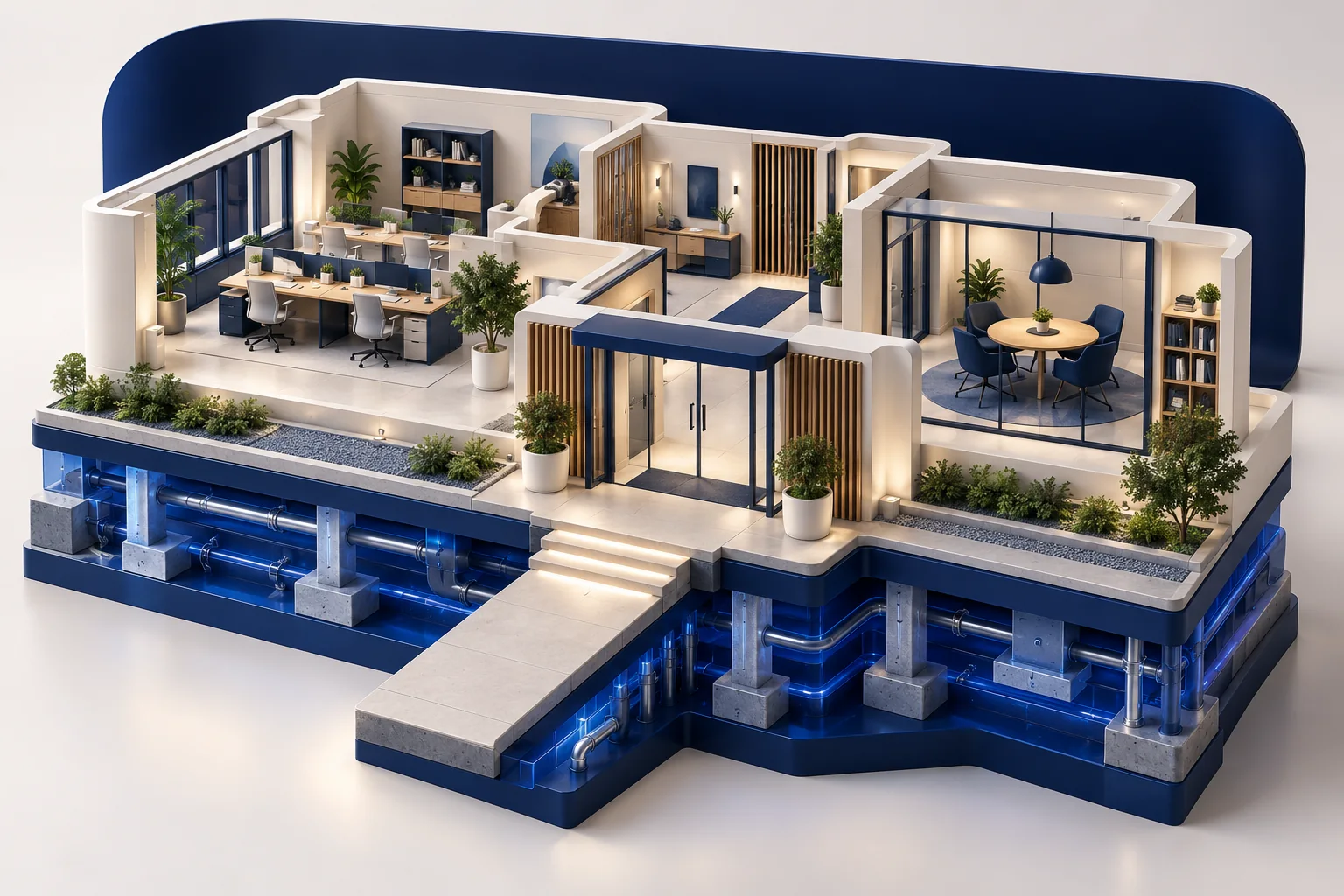 By ALABDAE ALSAHRIU TECHNOLOGIES L.L.C
Plan practical foundations for a small business: access, interior layout, office equipment and advertising tools. Compare options using evidence, full operating cost and a reversible pilot.
Continue Reading By ALABDAE ALSAHRIU TECHNOLOGIES L.L.C
A practical learning guide to turning business demand into roles, assessing skills fairly, choosing how to resource work and helping people become effective through measurable development.
Continue Reading By ALABDAE ALSAHRIU TECHNOLOGIES L.L.C
Connect customer needs, useful content, accessible websites, sales processes and careful measurement without confusing clicks or advertising returns with profit.
Continue Reading By ALABDAE ALSAHRIU TECHNOLOGIES L.L.C
Separate internal capabilities from external conditions, test your assumptions, and connect a SWOT matrix to a small, measurable business choice.
Continue Reading By ALABDAE ALSAHRIU TECHNOLOGIES L.L.C
Understand how activity, location, legal form and permissions shape registration, and assemble an evidence-based question list for the relevant authority.
Continue Reading By ALABDAE ALSAHRIU TECHNOLOGIES L.L.C
Learn how to organize scope, acceptance, payment and change questions before a qualified professional reviews the legal agreement.
Continue Reading By ALABDAE ALSAHRIU TECHNOLOGIES L.L.C
Turn an idea into a bounded launch experiment by connecting customer evidence, delivery readiness, costs and clear decision gates.
Continue Reading By ALABDAE ALSAHRIU TECHNOLOGIES L.L.C
Separate business orientation from legal advice, organize the facts and questions, and define the scope of a qualified legal engagement.
Continue Reading By ALABDAE ALSAHRIU TECHNOLOGIES L.L.C
Move beyond a large market number by examining customer segments, alternatives, buying conditions and the evidence needed for a decision.
Continue Reading By ALABDAE ALSAHRIU TECHNOLOGIES L.L.C
Build a practical view of receipts, payments, operating costs and uncertain forecasts before committing business resources.
Continue Reading By ALABDAE ALSAHRIU TECHNOLOGIES L.L.C
Connect a specific customer and value proposition with activities, trade-offs and review evidence instead of treating every growth idea as a strategy.
Continue Reading By ALABDAE ALSAHRIU TECHNOLOGIES L.L.C
Learn to distinguish marketing from promotion and turn customer observations into a small, measurable experiment.
Continue Reading By ALABDAE ALSAHRIU TECHNOLOGIES L.L.C
Use discovery, a bounded proposal and an agreed next step to make sales conversations useful and accountable.
Continue Reading By ALABDAE ALSAHRIU TECHNOLOGIES L.L.C
Use nonverbal cues to improve a conversation without treating gestures as proof of thoughts, honesty or purchase intent.
Continue Reading By ALABDAE ALSAHRIU TECHNOLOGIES L.L.C
Clarify roles, handovers and learning routines so individual skills can become dependable shared work.
Continue Reading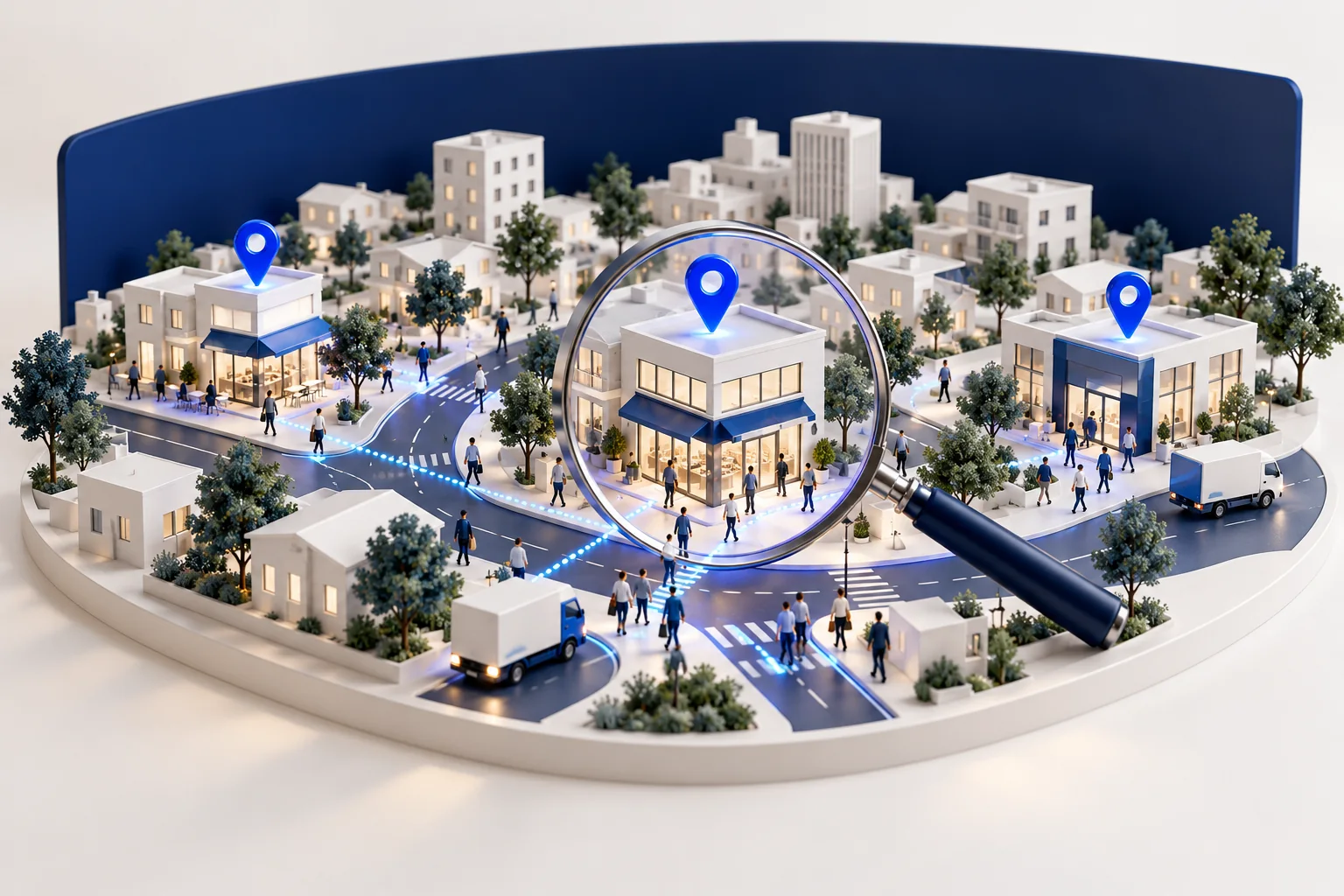 By ALABDAE ALSAHRIU TECHNOLOGIES L.L.C
Evaluate permitted activity, customer access, operating needs and full cost with the same evidence for every location.
Continue Reading By ALABDAE ALSAHRIU TECHNOLOGIES L.L.C
Check staff, customer and delivery journeys at realistic times instead of judging access from distance on a map.
Continue Reading By ALABDAE ALSAHRIU TECHNOLOGIES L.L.C
Plan movement, privacy, lighting and storage before choosing decorative finishes.
Continue Reading By ALABDAE ALSAHRIU TECHNOLOGIES L.L.C
Choose devices through tasks, compatibility, support and full ownership cost instead of specifications alone.
Continue Reading By ALABDAE ALSAHRIU TECHNOLOGIES L.L.C
Match signs, printed materials, websites and paid placements to a customer task, then check clarity and relevant response.
Continue Reading By ALABDAE ALSAHRIU TECHNOLOGIES L.L.C
Define priorities, decision rights and review routines so leadership becomes a usable operating system.
Continue Reading By ALABDAE ALSAHRIU TECHNOLOGIES L.L.C
Move from impressive job titles to observable work, fair assessment and a realistic development plan.
Continue Reading By ALABDAE ALSAHRIU TECHNOLOGIES L.L.C
Design queues, handoffs, capacity and quality checks around the work customers actually need.
Continue Reading By ALABDAE ALSAHRIU TECHNOLOGIES L.L.C
Set scope, acceptance, information access and handover before a short-term specialist engagement begins.
Continue Reading By ALABDAE ALSAHRIU TECHNOLOGIES L.L.C
Evaluate a new segment or geography through evidence, delivery economics and a bounded pilot.
Continue Reading By ALABDAE ALSAHRIU TECHNOLOGIES L.L.C
Choose a suitable channel, plan responses and connect social activity with customer decisions.
Continue Reading By ALABDAE ALSAHRIU TECHNOLOGIES L.L.C
Connect search intent, sound page structure and technical accessibility, then assess outcomes without ranking promises.
Continue Reading By ALABDAE ALSAHRIU TECHNOLOGIES L.L.C
Set a meaningful outcome, honest creative, a suitable landing page and a clear budget before paying for reach.
Continue Reading By ALABDAE ALSAHRIU TECHNOLOGIES L.L.C
Evaluate AI assistance through a defined use case, representative examples, human review and an operational stop route.
Continue Reading By ALABDAE ALSAHRIU TECHNOLOGIES L.L.C
Combine content, navigation, accessibility and performance around a real customer journey.
Continue Reading By ALABDAE ALSAHRIU TECHNOLOGIES L.L.C
Sara OS addresses what starts after an answer: carrying out work in a digital environment and checking that the intended result was achieved.
Continue ReadingBy ALABDAE ALSAHRIU TECHNOLOGIES L.L.CIn visual automation, performing an action is not the finish line. This article explains observing, acting and verifying the result through a simple example.
Continue ReadingBy ALABDAE ALSAHRIU TECHNOLOGIES L.L.CA local-first approach makes processing locations and data transfers clear; it does not mean every feature works offline or needs no security controls.
Continue ReadingBy ALABDAE ALSAHRIU TECHNOLOGIES L.L.CStarting automation does not mean delegating everything at once. A bounded workflow with a clear result is a better starting point for evaluation.
Continue Reading By ALABDAE ALSAHRIU TECHNOLOGIES L.L.C
Sara Trader focuses on gold trading and the chain of observation, analysis, risk control and execution, rather than promises of profit or trade counts.
Continue ReadingBy ALABDAE ALSAHRIU TECHNOLOGIES L.L.CIn Sara Trader's design, the absence of an order needs a reviewable reason. A risk-related stop is different from a technical failure.
Continue ReadingBy ALABDAE ALSAHRIU TECHNOLOGIES L.L.CDemo and live accounts are more than names in a list. Every data item, analysis and execution request needs a clear owner.
Continue ReadingBy ALABDAE ALSAHRIU TECHNOLOGIES L.L.CA rising chart is not a complete evaluation. Data quality, out-of-sample testing, execution costs and system behavior must be assessed together.
Continue Reading By ALABDAE ALSAHRIU TECHNOLOGIES L.L.C
Sara Shield is the Sara family's defensive branch. This introduction treats protection as a process from understanding the environment to reviewing events and responding with control.
Continue ReadingBy ALABDAE ALSAHRIU TECHNOLOGIES L.L.CAn alert should not automatically interrupt a service. Context, proportional action, recorded evidence and reversibility are central to a considered response.
Continue ReadingBy ALABDAE ALSAHRIU TECHNOLOGIES L.L.CA document or webpage may try to change an agent's behavior instead of providing information. Design must preserve the boundary between data and instructions.
Continue ReadingBy ALABDAE ALSAHRIU TECHNOLOGIES L.L.CAfter containing an incident, a business still needs a healthy service. Defense planning must assign recovery responsibilities and review access again.
Continue ReadingBy ALABDAE ALSAHRIU TECHNOLOGIES L.L.CSara Agent connects requests to authorized information and a clear workflow, with explicit boundaries between answers, suggestions and actions.
Continue ReadingBy ALABDAE ALSAHRIU TECHNOLOGIES L.L.CBusiness-specific information is useful when its source, timing and access permissions are clear. This article explains supported answers and limited access.
Continue ReadingBy ALABDAE ALSAHRIU TECHNOLOGIES L.L.CA short customer message may leave several needs unstated. This scenario shows how conversation can become a request ready for follow-up.
Continue ReadingBy ALABDAE ALSAHRIU TECHNOLOGIES L.L.CTool connections need a clear purpose and scope. Drafting, sending messages and changing data do not require identical permissions.
Continue Reading By ALABDAE ALSAHRIU TECHNOLOGIES L.L.C
2026 symbolizes the moment when history, artificial intelligence, the web, and human will must become a real system.
Continue Reading



October 24, 2026
October 24, 2026
October 24, 2026
By ALABDAE ALSAHRIU TECHNOLOGIES L.L.CTurn an initial idea into a testable business model, examine its economics and prepare an informed launch decision with an original worked example.
Continue ReadingBy ALABDAE ALSAHRIU TECHNOLOGIES L.L.CConnect strategy, customer economics, operations and cash in a consulting brief that produces decisions, measurable experiments and knowledge transfer.
Continue ReadingBy ALABDAE ALSAHRIU TECHNOLOGIES L.L.CBuild a practical learning plan for marketing, professional sales, communication and team development. Connect every lesson to a real task, observable evidence and a review.
Continue ReadingBy ALABDAE ALSAHRIU TECHNOLOGIES L.L.CPlan practical foundations for a small business: access, interior layout, office equipment and advertising tools. Compare options using evidence, full operating cost and a reversible pilot.
Continue ReadingBy ALABDAE ALSAHRIU TECHNOLOGIES L.L.CA practical learning guide to turning business demand into roles, assessing skills fairly, choosing how to resource work and helping people become effective through measurable development.
Continue ReadingBy ALABDAE ALSAHRIU TECHNOLOGIES L.L.CConnect customer needs, useful content, accessible websites, sales processes and careful measurement without confusing clicks or advertising returns with profit.
Continue ReadingBy ALABDAE ALSAHRIU TECHNOLOGIES L.L.CSeparate internal capabilities from external conditions, test your assumptions, and connect a SWOT matrix to a small, measurable business choice.
Continue ReadingBy ALABDAE ALSAHRIU TECHNOLOGIES L.L.CUnderstand how activity, location, legal form and permissions shape registration, and assemble an evidence-based question list for the relevant authority.
Continue ReadingBy ALABDAE ALSAHRIU TECHNOLOGIES L.L.CLearn how to organize scope, acceptance, payment and change questions before a qualified professional reviews the legal agreement.
Continue ReadingBy ALABDAE ALSAHRIU TECHNOLOGIES L.L.CTurn an idea into a bounded launch experiment by connecting customer evidence, delivery readiness, costs and clear decision gates.
Continue ReadingBy ALABDAE ALSAHRIU TECHNOLOGIES L.L.CSeparate business orientation from legal advice, organize the facts and questions, and define the scope of a qualified legal engagement.
Continue ReadingBy ALABDAE ALSAHRIU TECHNOLOGIES L.L.CMove beyond a large market number by examining customer segments, alternatives, buying conditions and the evidence needed for a decision.
Continue ReadingBy ALABDAE ALSAHRIU TECHNOLOGIES L.L.CBuild a practical view of receipts, payments, operating costs and uncertain forecasts before committing business resources.
Continue ReadingBy ALABDAE ALSAHRIU TECHNOLOGIES L.L.CConnect a specific customer and value proposition with activities, trade-offs and review evidence instead of treating every growth idea as a strategy.
Continue ReadingBy ALABDAE ALSAHRIU TECHNOLOGIES L.L.CLearn to distinguish marketing from promotion and turn customer observations into a small, measurable experiment.
Continue ReadingBy ALABDAE ALSAHRIU TECHNOLOGIES L.L.CUse discovery, a bounded proposal and an agreed next step to make sales conversations useful and accountable.
Continue ReadingBy ALABDAE ALSAHRIU TECHNOLOGIES L.L.CUse nonverbal cues to improve a conversation without treating gestures as proof of thoughts, honesty or purchase intent.
Continue ReadingBy ALABDAE ALSAHRIU TECHNOLOGIES L.L.CClarify roles, handovers and learning routines so individual skills can become dependable shared work.
Continue ReadingBy ALABDAE ALSAHRIU TECHNOLOGIES L.L.CEvaluate permitted activity, customer access, operating needs and full cost with the same evidence for every location.
Continue ReadingBy ALABDAE ALSAHRIU TECHNOLOGIES L.L.CCheck staff, customer and delivery journeys at realistic times instead of judging access from distance on a map.
Continue ReadingBy ALABDAE ALSAHRIU TECHNOLOGIES L.L.CPlan movement, privacy, lighting and storage before choosing decorative finishes.
Continue ReadingBy ALABDAE ALSAHRIU TECHNOLOGIES L.L.CChoose devices through tasks, compatibility, support and full ownership cost instead of specifications alone.
Continue ReadingBy ALABDAE ALSAHRIU TECHNOLOGIES L.L.CMatch signs, printed materials, websites and paid placements to a customer task, then check clarity and relevant response.
Continue ReadingBy ALABDAE ALSAHRIU TECHNOLOGIES L.L.CDefine priorities, decision rights and review routines so leadership becomes a usable operating system.
Continue ReadingBy ALABDAE ALSAHRIU TECHNOLOGIES L.L.CMove from impressive job titles to observable work, fair assessment and a realistic development plan.
Continue ReadingBy ALABDAE ALSAHRIU TECHNOLOGIES L.L.CDesign queues, handoffs, capacity and quality checks around the work customers actually need.
Continue ReadingBy ALABDAE ALSAHRIU TECHNOLOGIES L.L.CSet scope, acceptance, information access and handover before a short-term specialist engagement begins.
Continue ReadingBy ALABDAE ALSAHRIU TECHNOLOGIES L.L.CEvaluate a new segment or geography through evidence, delivery economics and a bounded pilot.
Continue ReadingBy ALABDAE ALSAHRIU TECHNOLOGIES L.L.CChoose a suitable channel, plan responses and connect social activity with customer decisions.
Continue ReadingBy ALABDAE ALSAHRIU TECHNOLOGIES L.L.CConnect search intent, sound page structure and technical accessibility, then assess outcomes without ranking promises.
Continue ReadingBy ALABDAE ALSAHRIU TECHNOLOGIES L.L.CSet a meaningful outcome, honest creative, a suitable landing page and a clear budget before paying for reach.
Continue ReadingBy ALABDAE ALSAHRIU TECHNOLOGIES L.L.CEvaluate AI assistance through a defined use case, representative examples, human review and an operational stop route.
Continue ReadingBy ALABDAE ALSAHRIU TECHNOLOGIES L.L.CCombine content, navigation, accessibility and performance around a real customer journey.
Continue ReadingBy ALABDAE ALSAHRIU TECHNOLOGIES L.L.CSara OS addresses what starts after an answer: carrying out work in a digital environment and checking that the intended result was achieved.
Continue ReadingBy ALABDAE ALSAHRIU TECHNOLOGIES L.L.CIn visual automation, performing an action is not the finish line. This article explains observing, acting and verifying the result through a simple example.
Continue ReadingBy ALABDAE ALSAHRIU TECHNOLOGIES L.L.CA local-first approach makes processing locations and data transfers clear; it does not mean every feature works offline or needs no security controls.
Continue ReadingBy ALABDAE ALSAHRIU TECHNOLOGIES L.L.CStarting automation does not mean delegating everything at once. A bounded workflow with a clear result is a better starting point for evaluation.
Continue ReadingBy ALABDAE ALSAHRIU TECHNOLOGIES L.L.CSara Trader focuses on gold trading and the chain of observation, analysis, risk control and execution, rather than promises of profit or trade counts.
Continue ReadingBy ALABDAE ALSAHRIU TECHNOLOGIES L.L.CIn Sara Trader's design, the absence of an order needs a reviewable reason. A risk-related stop is different from a technical failure.
Continue ReadingBy ALABDAE ALSAHRIU TECHNOLOGIES L.L.CDemo and live accounts are more than names in a list. Every data item, analysis and execution request needs a clear owner.
Continue ReadingBy ALABDAE ALSAHRIU TECHNOLOGIES L.L.CA rising chart is not a complete evaluation. Data quality, out-of-sample testing, execution costs and system behavior must be assessed together.
Continue ReadingBy ALABDAE ALSAHRIU TECHNOLOGIES L.L.CSara Shield is the Sara family's defensive branch. This introduction treats protection as a process from understanding the environment to reviewing events and responding with control.
Continue ReadingBy ALABDAE ALSAHRIU TECHNOLOGIES L.L.CAn alert should not automatically interrupt a service. Context, proportional action, recorded evidence and reversibility are central to a considered response.
Continue ReadingBy ALABDAE ALSAHRIU TECHNOLOGIES L.L.CA document or webpage may try to change an agent's behavior instead of providing information. Design must preserve the boundary between data and instructions.
Continue ReadingBy ALABDAE ALSAHRIU TECHNOLOGIES L.L.CAfter containing an incident, a business still needs a healthy service. Defense planning must assign recovery responsibilities and review access again.
Continue ReadingBy ALABDAE ALSAHRIU TECHNOLOGIES L.L.CSara Agent connects requests to authorized information and a clear workflow, with explicit boundaries between answers, suggestions and actions.
Continue ReadingBy ALABDAE ALSAHRIU TECHNOLOGIES L.L.CBusiness-specific information is useful when its source, timing and access permissions are clear. This article explains supported answers and limited access.
Continue ReadingBy ALABDAE ALSAHRIU TECHNOLOGIES L.L.CA short customer message may leave several needs unstated. This scenario shows how conversation can become a request ready for follow-up.
Continue ReadingBy ALABDAE ALSAHRIU TECHNOLOGIES L.L.CTool connections need a clear purpose and scope. Drafting, sending messages and changing data do not require identical permissions.
Continue ReadingBy ALABDAE ALSAHRIU TECHNOLOGIES L.L.C2026 symbolizes the moment when history, artificial intelligence, the web, and human will must become a real system.
Continue Reading